
Getting Help for Anesthesia Machine Issues
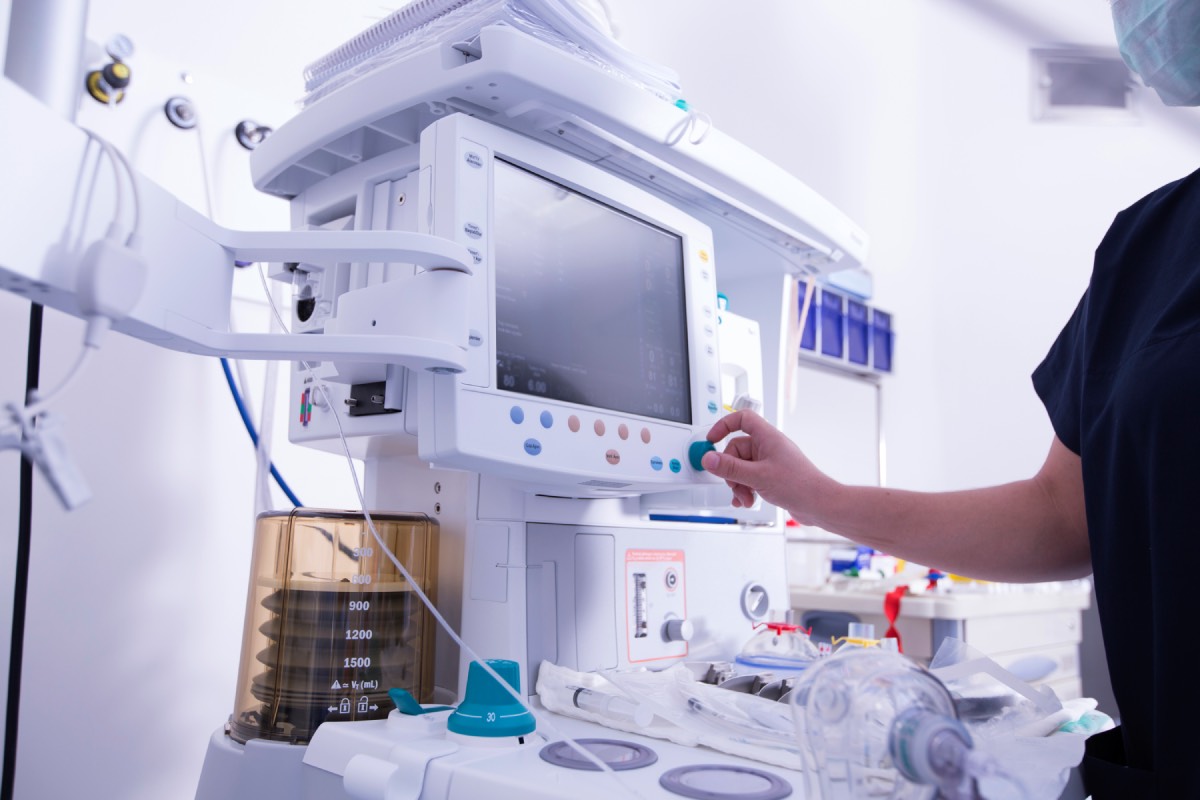
In the OR, anesthesia machines deliver oxygen to patients, induce and maintain anesthesia through volatile anesthetic agents, and allow the OR team to monitor patient vital signs 1. When these systems malfunction, the consequences can be serious, ranging from procedural delays to critical patient safety risks. Understanding how to quickly identify anesthesia machine issues, resolve them, and get help if needed is vital for anesthesia professionals.
The first step in addressing anesthesia machine problems is recognizing potential malfunctions. Issues can include unexpected alarms, inconsistent gas flow, abnormal airway pressures, vaporizer issues, or faulty monitoring displays. Clinicians should carry out thorough pre-use checks, including verifying gas supply levels, inspecting breathing circuits, and confirming that vaporizers and ventilators are functioning correctly. These routine checks can identify issues early and prevent intraoperative complications 2–4. Issues that are identified during a routine check can be addressed without the time pressure of an ongoing surgery, and the manufacturer of the anesthesia machine usually offers technical help in these situations.
If a machine issue arises during a procedure, patient safety must remain the top priority. Providers should be ready to transition to alternative ventilation methods, such as using a manual ventilation bag connected to an independent oxygen source, to maintain oxygenation while addressing the issue or closing the case emergently if it is no longer safe to continue. OR teams should be trained in emergency workflows. Regular drills and simulation training help staff respond quickly and confidently when unexpected equipment failures occur.
After stabilizing the patient, thorough documentation is essential. The OR team should record the timing of the issue, any alarms or error codes displayed, and the clinical context in which the problem occurred. Detailed notes help technical teams diagnose problems faster and reduce equipment downtime. When possible, capturing photos of error messages or system screens can provide valuable information for remote troubleshooting or manufacturer support 5,6.
Once the immediate risk is managed, the OR team should contact the appropriate support channels. Larger facilities may have trained technicians to inspect and repair anesthesia equipment. For complex or recurring issues, reaching out to the manufacturer’s technical support team is often the most efficient solution. Having key support contacts easily accessible can significantly reduce response times 4,7,8.
Preventive maintenance is one of the most effective ways to minimize anesthesia machine failures. Regular inspections, calibration, and adherence to manufacturer-recommended service intervals help maintain optimal performance. Keeping accurate maintenance logs ensures accountability and helps identify recurring issues. In addition, ongoing staff education on proper machine setup and operation reduces the likelihood of user-related problems and improves overall equipment reliability 9–11.
Minimizing the risk of anesthesia machine breakdown requires efforts at multiple levels. Encouraging open reporting of equipment concerns, maintaining strong communication between clinical and technical teams, and investing in routine training all contribute to safer outcomes. Anesthesia professionals should understand how to address common problems and be prepared to seek help from manufacturers for more complex issues 12–14.
References
1. Hill, N. E. & Horn, D. B. Anesthesia Machine. in StatPearls (StatPearls Publishing, Treasure Island (FL), 2025).
2. Aytolign, H. A. et al. Assessment of pre-anesthesia machine check and airway equipment preparedness: A cross-sectional study. Annals of Medicine and Surgery 78, 103775 (2022). DOI: 10.1016/j.amsu.2022.103775
3. Al Suhaibani, M., Al Malki, A., Al Dosary, S., Al Barmawi, H. & Pogoku, M. Pre-use anesthesia machine check; certified anesthesia technician based quality improvement audit. Anesth Essays Res 8, 354–360 (2014). DOI: 10.4103/0259-1162.143142
4. Cnmeditech. Common Problems and Troubleshooting for Anesthesia Machines. CN MEDITECH https://cnmeditech.com/common-problems-and-troubleshooting-for-anesthesia-machines/ (2025).
5. Elhalawani, I., Jenkins, S. & Newman, N. Perioperative anesthetic documentation: Adherence to current Australian guidelines. J Anaesthesiol Clin Pharmacol 29, 211–215 (2013). DOI: 10.4103/0970-9185.111726
6. Ahmed, H. M. et al. Recommendations for effective documentation in regional anesthesia: an expert panel Delphi consensus project. Reg Anesth Pain Med https://doi.org/10.1136/rapm-2021-103136 (2022). DOI: 10.1136/rapm-2021-103136.
7. Anesthesia Systems Maintenance and Repair – MantisMed. https://mantismed.com/services/anesthesia-systems-maintenance-and-repair/.
8. Mathur, S. Anesthesia machine repair and troubleshooting. Primedeq-Blog https://www.primedeq.com/blog/anesthesia-machine-repair-and-troubleshooting/ (2023).
9. Technical Training for Critical Care Equipment. \ https://www.gehealthcare.com/services/training.
10. The Need for Anesthesia Equipment Preventative Maintenance | Auxo Medical. https://auxomedical.com/2023/05/the-need-for-anesthesia-equipment-preventative-maintenance/ (2023).
11. Rosen, M. et al. Failure mode and effects analysis applied to the maintenance and repair of anesthetic equipment in an austere medical environment. International Journal for Quality in Health Care 26, (2014). DOI: 10.1093/intqhc/mzu053
12. CULTURE OF SAFETY: The Multidisciplinary Anesthesia Professional Relationship. Anesthesia Patient Safety Foundation https://www.apsf.org/article/culture-of-safety-the-multidisciplinary-anesthesia-professional-relationship/.
13. Vosoughian, M., Salarian, S. & Dahi Taleghani, M. Promoting a Patient Safety Culture in Anesthesia Practice. Anesth Pain Med 14, e154453 (2024). DOI: 10.5812/aapm-154453
14. Arfanis, K., Fioratou, E. & Smith, A. Safety culture in anaesthesiology: Basic concepts and practical application. Best Practice & Research Clinical Anaesthesiology 25, 229–238 (2011). DOI: 10.1016/j.bpa.2011.01.006